
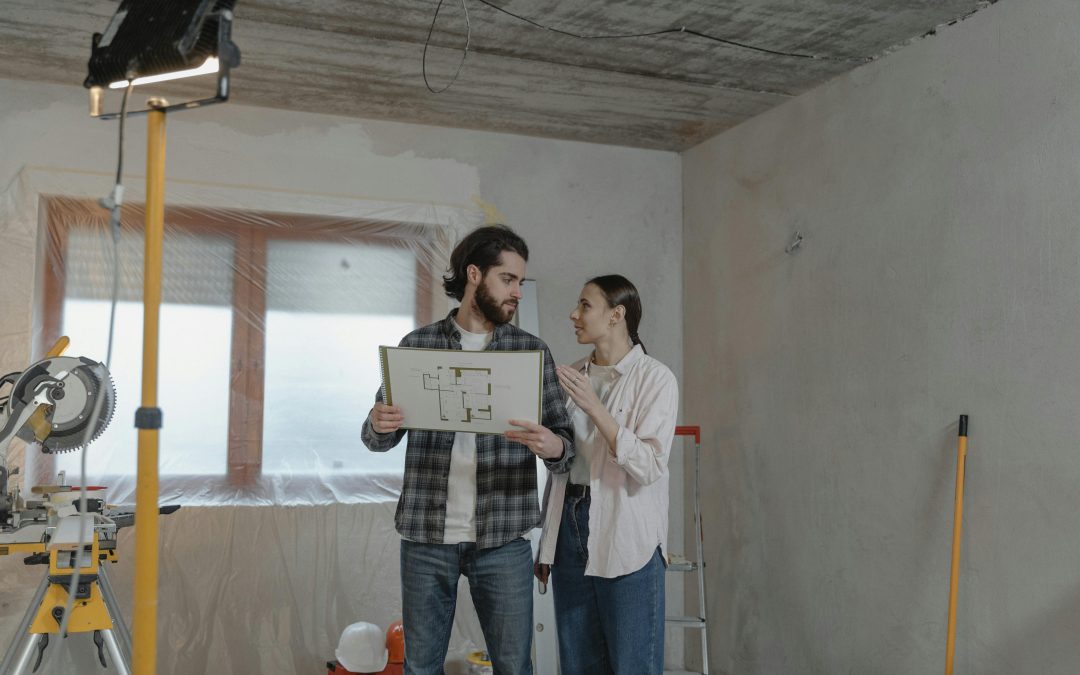
Renovating a home is exciting, but the financial side can quickly become overwhelming if you do not plan properly. Materials, labor, permits, and unexpected repairs can add up fast. That is why learning how to plan a home remodel budget is one of the most important steps before starting any renovation project.
A well-structured budget does not just control spending. It also helps you make better design decisions and avoid delays during construction.
According to the National Association of Home Builders, renovation costs can vary widely depending on project scope, location, and material choices, which makes early budgeting essential for keeping projects on track.
Start With a Clear Renovation Goal
The first step in how to plan a home remodel budget is defining what you actually want to achieve. Without a clear goal, costs can spiral quickly.
Ask yourself:
- Are you remodeling for comfort, resale value, or both?
- Which rooms are the highest priority?
- What features are essential versus optional?
Having clear priorities helps you allocate money where it matters most.
Research Average Costs for Your Project Type
Before setting a final budget, it is important to understand typical renovation costs in your area.
Common remodel ranges may include:
- Kitchen remodels: moderate to high cost depending on materials
- Bathroom renovations: varies based on fixtures and layout changes
- Full home remodels: highest cost with multiple trade services
- Cosmetic upgrades: lower cost but still variable
This research gives you a realistic starting point and prevents underestimating expenses.
Break Your Budget Into Categories
A key part of how to plan a home remodel budget is dividing costs into clear categories instead of one lump sum.
Typical categories include:
- Materials (tiles, wood, paint, fixtures)
- Labor (contractors, electricians, plumbers)
- Permits and approvals
- Design and planning fees
- Contingency fund for surprises
Breaking costs down helps you see exactly where your money is going.
Always Include a Contingency Fund
Unexpected expenses are one of the most common issues in any renovation. Hidden water damage, outdated wiring, or structural repairs can appear during the project.
Experts often recommend setting aside:
- 10 to 20 percent of total budget as contingency
This buffer helps you handle surprises without stopping the project.
Prioritize Needs Over Wants
Not everything on your wishlist can fit into your budget. One of the smartest how to plan a home remodel budget strategies is learning to prioritize.
Separate your list into:
- Must-haves (structural fixes, safety upgrades)
- Nice-to-haves (luxury finishes, décor upgrades)
- Optional upgrades (future improvements)
This makes it easier to adjust spending without losing the core vision.
Get Multiple Contractor Quotes
Labor is often one of the biggest renovation expenses. Getting multiple quotes helps you understand fair pricing.
When comparing contractors:
- Look at scope of work, not just price
- Check experience and past projects
- Ask about timelines and materials included
- Clarify payment schedules
This step helps you avoid overpaying and ensures better planning accuracy.
Choose Materials Wisely
Material selection has a major impact on your budget. High-end finishes can quickly increase costs, while mid-range options often provide good value.
Ways to manage costs include:
- Mixing premium and budget-friendly materials
- Choosing durable but cost-effective alternatives
- Avoiding unnecessary luxury upgrades in low-impact areas
Smart material choices help balance quality and affordability.
Track Spending During the Project
Budgeting does not stop once the project begins. You need to monitor expenses throughout the renovation.
Helpful habits include:
- Keeping a running cost sheet
- Tracking receipts and invoices
- Reviewing changes with your contractor
- Adjusting non-essential upgrades if needed
This prevents overspending and keeps your project financially controlled.
Avoid Common Budget Mistakes
Many homeowners run into the same issues when planning renovations.
Common mistakes include:
- Underestimating total costs
- Skipping contingency planning
- Changing plans frequently during construction
- Choosing lowest bids without checking quality
Avoiding these mistakes makes your budget far more reliable.
Final Thoughts
Learning how to plan a home remodel budget is the foundation of a successful renovation. Without a clear financial plan, even simple projects can become stressful and expensive.
By setting clear goals, researching costs, breaking down categories, and adding a contingency fund, you can stay in control of your spending. A well-planned budget not only protects your finances but also helps you achieve a smoother and more satisfying renovation experience.