
If you’re involved in the construction industry, you’ve probably heard about BIM — Building Information Modeling. But what exactly makes it so popular? The benefits of using BIM in construction go far beyond just 3D modeling. BIM is transforming how projects are designed, built, and managed, making the process smoother and more efficient.
Let’s break down why BIM has become a must-have tool for modern construction professionals.
What is BIM?
Building Information Modeling (BIM) is a digital representation of a building’s physical and functional characteristics. Think of it as a highly detailed 3D model packed with data about every component — from walls and windows to electrical systems and plumbing. This digital model serves as a single source of truth for everyone involved in a project.
Key Benefits of Using BIM in Construction
1. Improved Collaboration and Communication
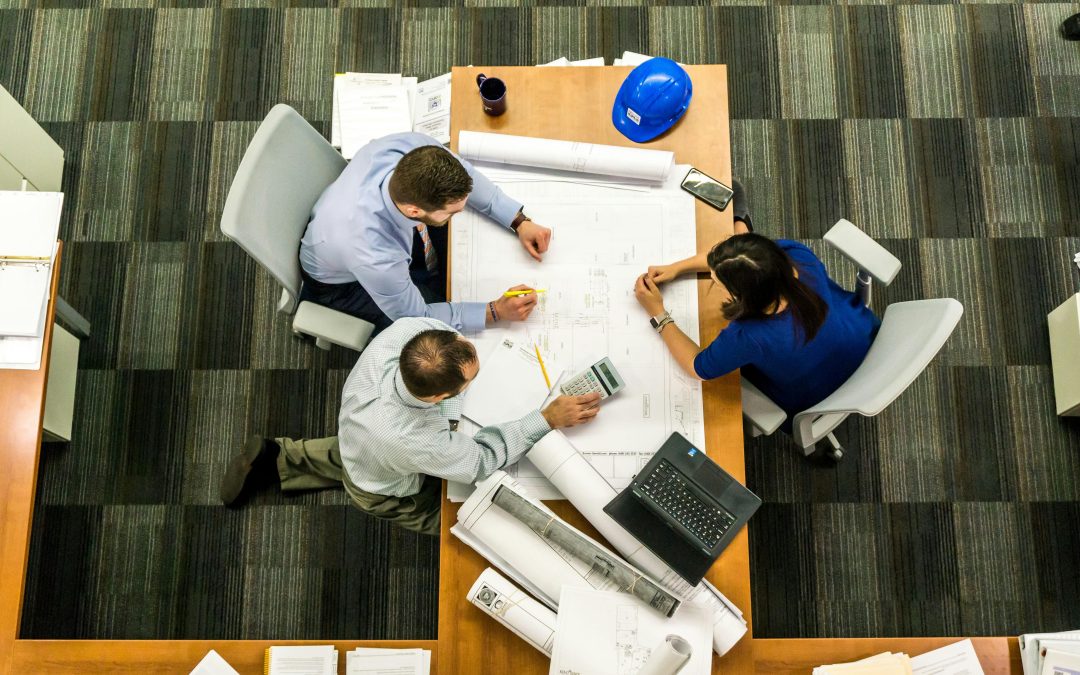
One of the biggest advantages of BIM is how it brings all project stakeholders onto the same page. Architects, engineers, contractors, and owners can work on a shared model, reducing misunderstandings and costly mistakes. This level of collaboration means fewer surprises and a smoother construction process.
2. Enhanced Visualization and Design Accuracy
BIM allows teams to visualize the entire project in 3D before breaking ground. This helps identify design clashes early — like pipes running into beams — saving time and money by avoiding rework. Plus, clients can better understand what the final building will look like, improving decision-making.
3. Cost and Time Savings
By detecting potential problems early and optimizing designs, BIM helps reduce costly change orders and delays. It also streamlines scheduling and material management, so projects can stay on budget and finish on time.
4. Better Project Management and Maintenance
BIM models can be used beyond construction — they become valuable resources for facility management after project completion. Building owners get detailed digital records that make maintenance, renovations, and future expansions easier and more efficient.
5. Increased Sustainability
With BIM, teams can analyze energy efficiency, materials usage, and environmental impact during the design phase. This helps create greener buildings that meet sustainability goals and comply with regulations.
Real-World Impact of BIM
According to a 2022 report by McKinsey & Company, construction projects using BIM experience up to 20% faster completion rates and 15% lower costs compared to traditional methods. These numbers highlight why BIM adoption is growing rapidly worldwide.
How to Get Started with BIM
- Invest in BIM software and train your team thoroughly.
- Collaborate with experienced BIM professionals or consultants.
- Start with smaller projects to get comfortable before scaling up.
- Embrace a culture of open communication and data sharing.
Final Thoughts
The benefits of using BIM in construction are clear — from improved collaboration and visualization to cost savings and sustainability. If you want your projects to run more efficiently and deliver better results, BIM is a powerful tool worth adopting.
Whether you’re an architect, contractor, or building owner, embracing BIM can revolutionize how you approach construction. It’s not just technology; it’s a smarter way to build.