
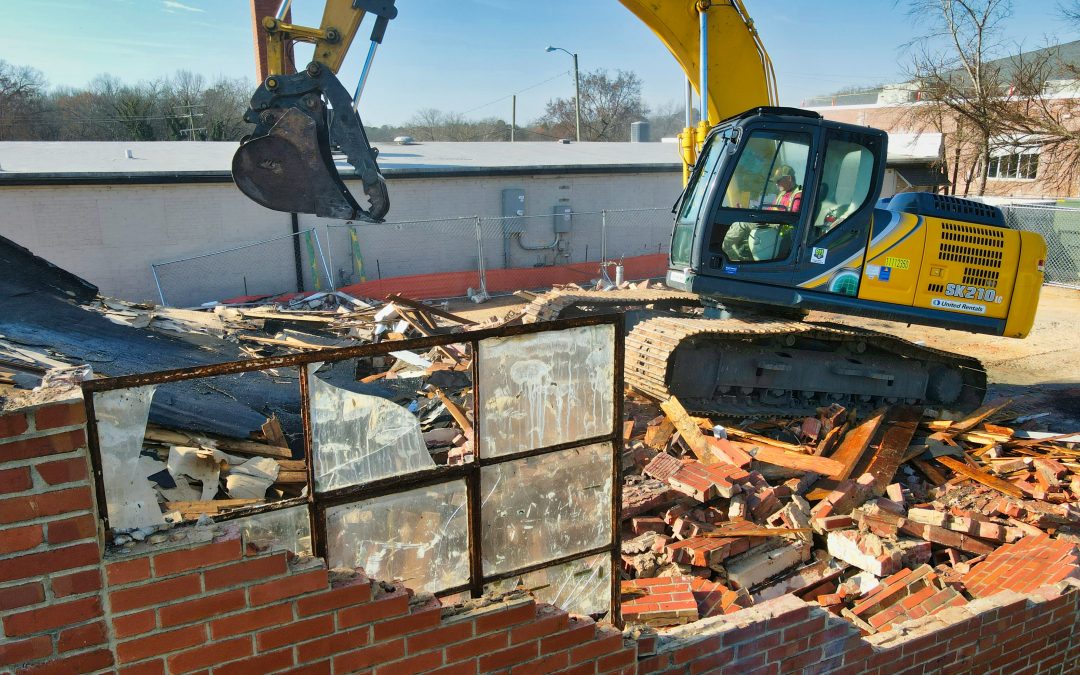
When a natural disaster strikes—whether it’s a flood, hurricane, earthquake, or wildfire—the aftermath often leaves behind more than physical damage. Piles of broken trees, collapsed structures, and scattered household items can make streets unrecognizable. This overwhelming mess is what experts call disaster debris, and managing it quickly is essential to restore safety, accessibility, and normal life. Disaster debris removal is one of the most critical first steps in recovery, helping communities rebuild stronger and safer.
What Is Disaster Debris Removal
Disaster debris removal is the process of clearing, collecting, and disposing of materials left behind after a major disaster. This includes everything from fallen trees and damaged roofs to household waste, vehicles, and hazardous materials. The goal is to clear blocked roads, eliminate health risks, and create space for reconstruction.
Disasters can generate astonishing amounts of debris. For instance, according to the Federal Emergency Management Agency (FEMA), a single major hurricane can produce more than 20 million cubic yards of debris—enough to fill several sports stadiums. This makes organized and efficient removal essential.
Types of Disaster Debris
Not all debris is the same, and identifying types helps determine how to handle and dispose of them properly. Common categories include:
- Vegetative Debris: Fallen trees, branches, leaves, and plants.
- Construction and Demolition Waste: Broken bricks, concrete, metal, roofing, and wood.
- Household Waste: Damaged furniture, appliances, and personal belongings.
- Hazardous Materials: Chemicals, fuel, asbestos, or contaminated waste.
- Electronic Waste: TVs, computers, and wiring.
- Vehicles and Large Equipment: Abandoned or wrecked cars and machinery.
Each type requires a different method of handling to ensure both environmental safety and efficiency.
The Importance of Timely Debris Removal
After a disaster, debris isn’t just messy—it’s dangerous. Piles of waste can block emergency vehicles, contaminate water supplies, attract pests, and pose health hazards. Quick and organized disaster debris removal helps:
- Restore accessibility: Clearing roads allows emergency services and repair crews to reach affected areas.
- Prevent disease: Removing rotting materials reduces the risk of infections and pests.
- Reduce fire hazards: Especially after storms and wildfires, dried vegetation can easily ignite.
- Speed up rebuilding: Clearing land quickly helps reconstruction start sooner.
- Boost morale: Clean streets and visible progress restore hope to affected communities.
In short, the faster debris is removed, the faster recovery can begin.
Step-by-Step Process of Disaster Debris Removal
Step 1: Assessment and Planning
The first step is to evaluate the extent of damage and identify priority areas. Local authorities, engineers, and cleanup teams survey the site to determine the type and volume of debris. This helps create a removal plan and decide what resources, vehicles, and manpower will be needed. Safety assessments are also done to locate power lines, gas leaks, or hazardous zones.
Step 2: Sorting and Segregation
Once cleanup begins, separating debris by type is essential. Vegetative waste can be chipped or composted, while construction debris is sent to landfills or recycling facilities. Hazardous materials are handled separately by trained professionals to prevent contamination. Proper segregation makes recycling and disposal more efficient and environmentally friendly.
Step 3: Collection and Transport
Heavy machinery like loaders, excavators, and dump trucks are used to gather and transport debris to designated sites. Smaller items are collected manually. Depending on the scale of the disaster, collection can take days or weeks. Clear communication among teams is vital to avoid overlapping efforts and to keep roadways open for emergency use.
Step 4: Disposal or Recycling
After collection, the debris is processed for reuse, recycling, or disposal. For example:
- Wood can be chipped for mulch or biofuel.
- Concrete and metal can be crushed and reused in construction.
- Clean soil can be tested and repurposed.
- Non-recyclable waste is safely buried in approved landfills.
Some disaster response programs even use debris for rebuilding projects, such as creating temporary roads or foundations.
Step 5: Final Cleanup and Inspection
Once major debris is cleared, crews perform a final inspection to ensure all hazards are removed. This includes small debris, nails, glass, or chemical spills. Drains and gutters are cleaned to prevent flooding, and the area is disinfected if necessary. Local authorities then verify that the cleanup meets environmental and safety standards before reconstruction begins.
The Role of Local Authorities and Federal Agencies
In large-scale disasters, debris removal involves collaboration between multiple agencies. Local governments usually take the lead, but state and federal organizations such as FEMA or the U.S. Army Corps of Engineers often provide additional support, equipment, and funding.
FEMA’s Public Assistance Program helps cover costs for eligible debris removal projects, especially when public roads or utilities are affected. Contractors are often hired to manage large-scale cleanups, but volunteers and local crews play a huge role in speeding up recovery efforts.
Safety Measures During Debris Removal
Disaster cleanup can be dangerous, with risks like sharp objects, unstable structures, and toxic materials. That’s why safety should always come first. Workers should:
- Wear helmets, gloves, masks, and steel-toed boots.
- Use heavy equipment only when trained.
- Watch for live wires, gas leaks, and unstable debris piles.
- Stay hydrated and take regular breaks to prevent exhaustion.
- Follow local waste disposal and environmental protection guidelines.
These precautions protect both cleanup teams and nearby residents from potential injury or contamination.
Environmental Considerations
Improper disposal of disaster debris can cause long-term environmental damage. Burning or dumping waste illegally can release toxins into the air and soil. Instead, recycling and reusing materials wherever possible reduces the environmental footprint. Many cleanup projects now focus on sustainable methods, such as composting green waste and reusing construction materials, to balance recovery with environmental care.
Community Involvement in Debris Removal
Community participation plays a powerful role in disaster recovery. Volunteers can help collect smaller debris, distribute supplies, or support recycling efforts. Neighborhood groups often organize cleanup drives that not only restore order but also build unity. When everyone contributes, the workload is shared, and recovery becomes faster and more meaningful.
Conclusion
Disaster debris removal is more than just cleaning up—it’s the foundation for rebuilding lives, homes, and hope. By following an organized process of assessment, segregation, collection, and recycling, communities can recover efficiently and safely. Whether it’s a small neighborhood or an entire city, clearing debris marks the first visible step toward healing after tragedy. With the right coordination, safety measures, and community spirit, disaster debris removal transforms chaos into a clean slate for renewal.