
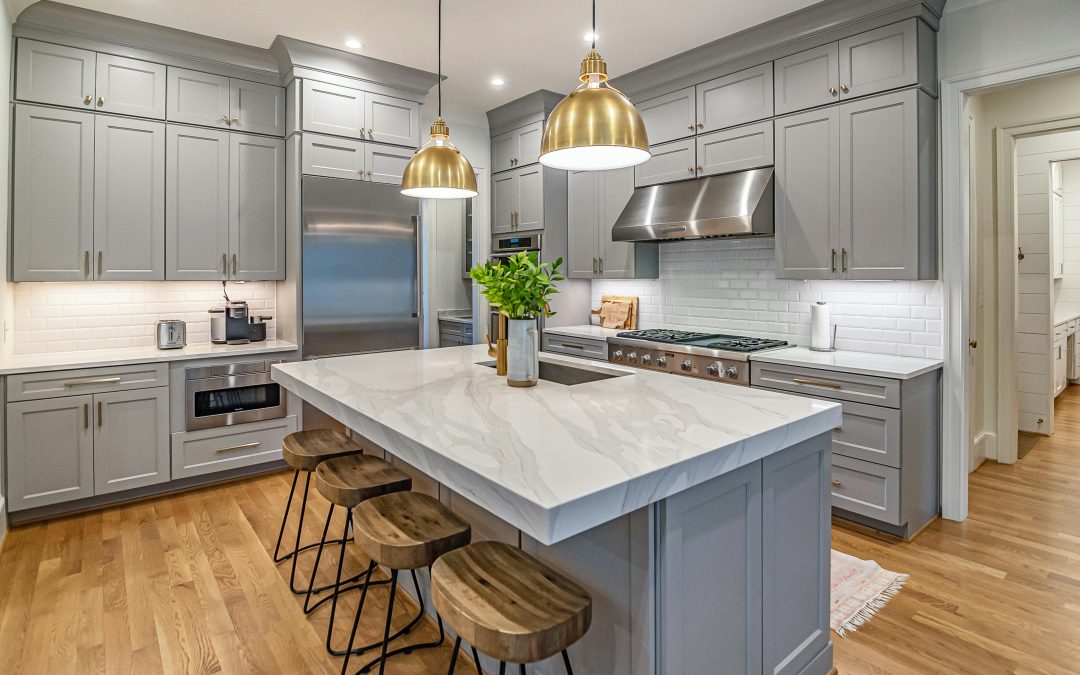
Remodeling a kitchen in a historic home is a delicate balance. You want to preserve the character that makes the house special, while still adding the comfort and efficiency of modern living. That is where kitchen remodel ideas for historic homes become especially valuable, helping you respect the past while improving everyday usability.
Historic homes often come with unique layouts, older materials, and architectural details that you do not find in newer properties. Instead of fighting these features, a thoughtful remodel works with them.
According to the National Trust for Historic Preservation, successful renovations of historic properties focus on retaining original character while making sensitive updates that support modern lifestyles.
Preserve Original Architectural Details
One of the most important kitchen remodel ideas for historic homes is to protect and highlight original features.
Look for elements such as:
- Crown molding and trim work
- Original hardwood flooring
- Exposed beams or brickwork
- Vintage cabinetry or built-ins
Instead of removing these details, restore them where possible. They add authenticity and long-term value to the home.
Blend Old and New Materials Carefully
A successful historic kitchen remodel is all about balance. You do not want modern materials to overpower the original charm.
Good combinations include:
- Marble countertops with traditional wood cabinets
- Brass or matte black fixtures with vintage-style sinks
- Modern appliances with panel-ready designs
- Subway tiles paired with aged wood accents
This mix helps maintain character while improving functionality.
Use Neutral and Timeless Color Palettes
Color plays a major role in preserving the feel of a historic home. Bold, trendy colors can sometimes clash with older architecture.
Safer choices include:
- Soft whites and creams
- Warm grays and taupes
- Muted greens and blues
- Natural wood tones
These shades help maintain a timeless look while keeping the kitchen bright and inviting.
Upgrade Appliances Without Disrupting Style
Modern appliances are essential, but they can feel out of place in a historic setting if not chosen carefully.
Some kitchen remodel ideas for historic homes include:
- Built-in or panel-front refrigerators
- Vintage-style ranges with modern performance
- Hidden dishwashers integrated into cabinetry
- Compact microwaves built into drawers or shelves
This keeps the kitchen functional without breaking visual harmony.
Respect the Original Layout When Possible
Many historic homes have smaller or segmented kitchens. While it may be tempting to completely open the space, sometimes preserving the layout is the better choice.
You can improve functionality by:
- Widening doorways instead of removing walls
- Adding pass-through windows
- Improving workflow within existing space
- Creating separate prep and cooking zones
This keeps the home’s original structure intact while improving usability.
Incorporate Period-Appropriate Fixtures
Fixtures are small details that make a big difference in maintaining authenticity.
Consider:
- Farmhouse or apron-front sinks
- Bridge-style faucets
- Antique brass or bronze hardware
- Glass cabinet knobs or vintage pulls
These details help reinforce the historic character of the kitchen.
Improve Lighting Without Losing Character
Older homes often have limited natural light or outdated fixtures. Updating lighting is essential, but it should still match the home’s style.
Good options include:
- Pendant lights with vintage-inspired designs
- Wall sconces with antique finishes
- Under-cabinet LED lighting for functionality
- Soft, warm lighting instead of harsh white tones
Lighting should enhance both practicality and atmosphere.
Add Smart Storage Without Overcrowding
Storage is often a challenge in historic kitchens. The goal is to add function without cluttering the space or removing original charm.
Helpful solutions include:
- Custom cabinetry that matches historic style
- Pull-out pantry systems
- Built-in shelving that blends with walls
- Hidden storage compartments
This keeps the kitchen organized while maintaining its architectural integrity.
Maintain Flooring Character
Flooring is one of the strongest visual elements in a historic home.
When possible:
- Restore original hardwood floors
- Match new wood to existing tones
- Use natural stone for durability in work areas
- Avoid overly modern or glossy finishes
Keeping flooring consistent helps preserve the overall historic feel.
Final Thoughts
Planning a remodel in an older home requires careful attention to detail. The best kitchen remodel ideas for historic homes focus on balance, preserving original character while introducing modern convenience.
By respecting architectural details, choosing timeless materials, and integrating modern upgrades thoughtfully, you can create a kitchen that feels both authentic and functional. The result is a space that honors the home’s history while supporting today’s lifestyle.