
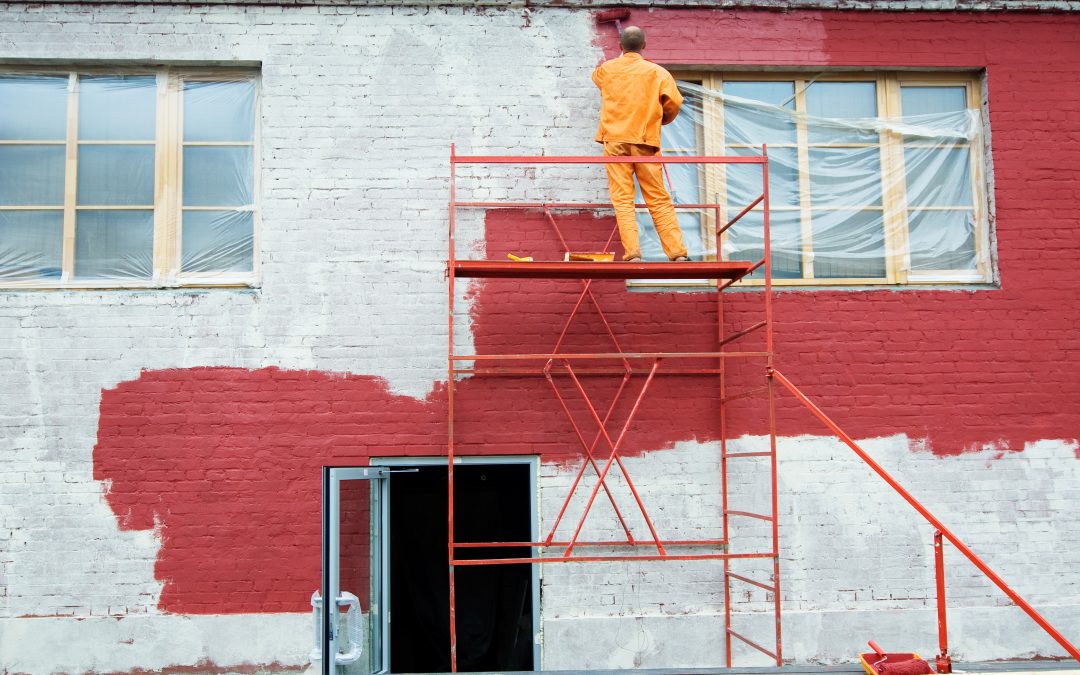
If your home’s exterior is looking a little cracked, stained, or just tired, it might be time to take a closer look at your stucco or plaster. These finishes are popular for good reason—they’re attractive, long-lasting, and help regulate moisture. But when problems appear, they’re not something to ignore. Timely stucco and exterior plaster repair can prevent small issues from turning into major headaches.
According to the Journal of Building Enclosure Design, untreated stucco cracks are a leading cause of water intrusion and mold in exterior walls, especially in older homes. That’s why regular maintenance is more than just cosmetic—it’s structural.
Let’s walk through what stucco and plaster repairs involve, how to tell when it’s time to act, and what you should look for in a contractor.
What’s the Difference Between Stucco and Exterior Plaster?
The terms are often used interchangeably, but there are a few key differences:
- Stucco is a cement-based mixture typically used on exterior walls. It’s durable, weather-resistant, and commonly found on Mediterranean, Southwestern, and modern-style homes.
- Exterior plaster, especially older lime- or gypsum-based types, is more traditional and often seen in historic homes or renovations.
Both serve a similar function, and both can develop issues over time—especially in areas with extreme weather swings like Massachusetts.
Common Signs You Need Stucco and Exterior Plaster Repair
So how do you know when it’s time to fix things up? Keep an eye out for:
- Cracks (hairline or deeper)
- Bulging or buckling spots
- Staining or discoloration
- Crumbling areas, especially around windows or doors
- Paint bubbling or peeling
- Moisture or mildew smells near walls
Not all cracks are emergencies, but they can be warning signs. It’s a good idea to get a professional opinion if you see multiple problem spots.
What Causes Exterior Stucco Damage?
Damage to stucco and exterior plaster can happen for a few reasons:
- Water infiltration from rain, snow, or leaks
- Improper installation—especially if the base layer wasn’t done right
- Foundation movement or building settling
- Impact damage from landscaping tools or furniture
- Age and wear, especially after 10–20 years without maintenance
And in colder climates like New England, freeze-thaw cycles can make even small cracks worse over time.
What’s Involved in Stucco and Exterior Plaster Repair?
When you hire a pro for stucco and exterior plaster repair, the steps generally include:
- Inspecting and identifying damage areas
- Removing damaged stucco or plaster
- Reapplying the correct base layer (often cement, lime, or gypsum-based)
- Matching texture and finish to the existing surface
- Sealing and painting for protection and aesthetics
Good contractors will also check for hidden damage underneath, like rot or insulation issues—because surface repair is only part of the story.
DIY or Call a Pro?
While small cracks may be patched using store-bought stucco repair kits, bigger jobs are better left to professionals. Matching texture, color, and ensuring long-term durability requires skill. Plus, if water damage or structural problems are hiding underneath, you’ll want someone who can catch it early.
Hiring a licensed contractor ensures:
- Correct material use (lime-based vs. acrylic vs. cement)
- Proper sealing to prevent future issues
- Texture matching for a seamless look
- Safety compliance for high or hard-to-reach areas
And if you live in a historic home, plaster repair often requires special materials to preserve the original aesthetic and structural integrity.
How to Choose a Stucco Repair Contractor
When searching for help, look for:
- Licensed and insured contractors with stucco/plaster experience
- References or online reviews with photo examples
- A detailed estimate explaining materials, labor, and timeline
- Warranty or service guarantees
It’s also helpful to ask if they work with both traditional plaster and modern synthetic stucco systems (EIFS), since some homes blend the two.
Final Thoughts
Stucco and plaster may seem like tough materials—and they are—but even the strongest exterior finishes need some TLC. A few cracks today can lead to water damage, mold, or structural issues tomorrow if left unchecked.
By investing in proper stucco and exterior plaster repair, you’re not just improving your home’s curb appeal—you’re protecting its structure, energy efficiency, and long-term value. Whether you’re fixing a single crack or planning a full restoration, taking action early is always the smart move.