
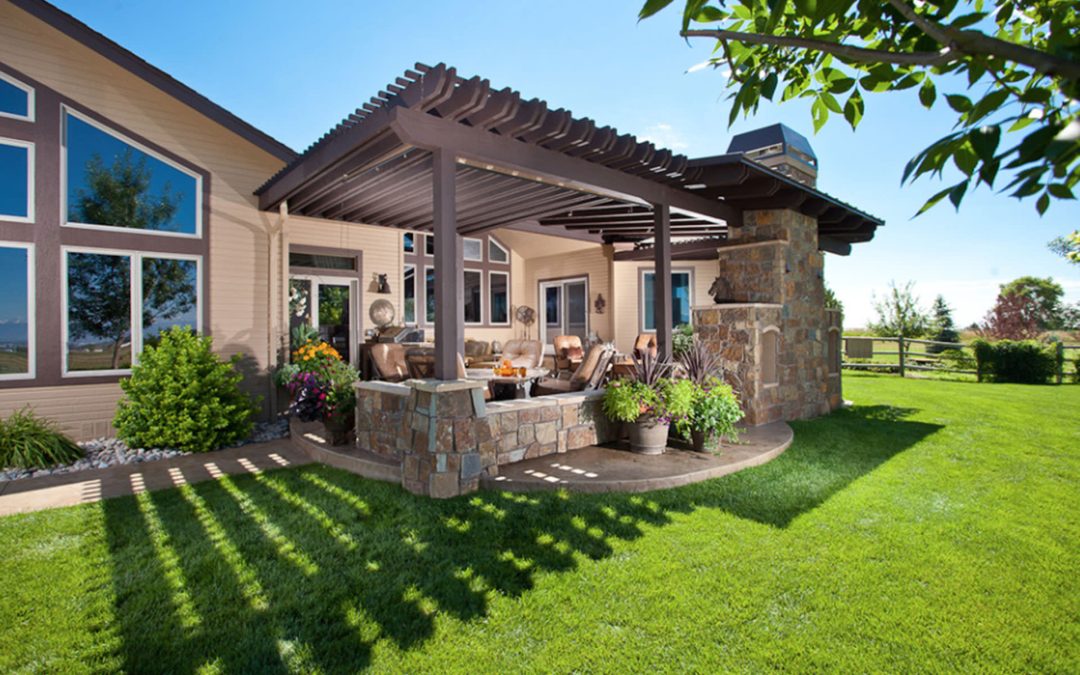
Sustainable landscaping is an approach to designing and maintaining outdoor spaces that prioritize environmental health, resource conservation, and ecological balance. As homeowners become increasingly aware of their environmental impact, sustainable landscaping practices are gaining popularity. This article will explore the principles of sustainable landscaping, its benefits, and practical tips for creating an eco-friendly outdoor space.
The Principles of Sustainable Landscaping
Sustainable landscaping is based on several key principles that aim to reduce environmental impact and promote biodiversity. One of the fundamental principles is the use of native plants. Native plants are well-adapted to the local climate and soil conditions, requiring less water, fertilizers, and pesticides. They also provide habitat and food for local wildlife, enhancing biodiversity.
Another important principle is water conservation. Sustainable landscaping incorporates practices like rainwater harvesting, drip irrigation, and the use of drought-resistant plants to minimize water usage. These practices not only conserve water but also reduce runoff and erosion, protecting local waterways.
Soil health is also a critical component of sustainable landscaping. Healthy soil supports robust plant growth and reduces the need for chemical fertilizers. Techniques such as composting, mulching, and minimal tilling help maintain soil structure and fertility, promoting a thriving garden ecosystem.
Benefits of Sustainable Landscaping
Sustainable landscaping offers numerous environmental, economic, and aesthetic benefits. Environmentally, it reduces resource consumption, minimizes pollution, and supports local ecosystems. By reducing the need for water, chemicals, and energy, sustainable landscaping helps mitigate the impact of climate change and conserve natural resources.
Economically, sustainable landscaping can lower maintenance costs over time. Native plants and efficient irrigation systems reduce water and chemical usage, resulting in lower utility bills and fewer expenses for garden maintenance. Additionally, a well-designed sustainable landscape can increase property value, making it a wise investment.
Aesthetically, sustainable landscapes are often more resilient and diverse than conventional ones. The use of a variety of native plants creates a dynamic and visually appealing environment that changes with the seasons. These landscapes can also provide sensory experiences, with fragrant flowers, textured foliage, and the presence of birds and insects adding to the garden’s beauty.
Practical Tips for Sustainable Landscaping
- Choose Native Plants: Select plants that are native to your region for better adaptability and lower maintenance. Native plants require less water and are more resistant to pests and diseases.
- Implement Water-Wise Practices: Use drip irrigation, mulch, and rain barrels to conserve water. Group plants with similar water needs together to optimize irrigation efficiency.
- Promote Soil Health: Enhance soil quality with organic matter like compost and mulch. Avoid over-tilling and use cover crops to protect and enrich the soil.
- Reduce Lawn Areas: Replace sections of lawn with native groundcovers, shrubs, or ornamental grasses. Lawns typically require more water and chemicals than other types of landscaping.
- Encourage Biodiversity: Create habitats for wildlife by including a variety of plants that provide food and shelter. Incorporate features like bird baths, insect hotels, and small ponds to support local fauna.
Sustainable landscaping is a practical and impactful way to create a beautiful, eco-friendly outdoor space. By following the principles of sustainable landscaping, homeowners can reduce their environmental footprint, save on maintenance costs, and enjoy a vibrant, diverse garden. Embracing sustainable practices not only benefits the environment but also enhances the aesthetic and functional value of your landscape, making it a worthwhile investment for the future.