
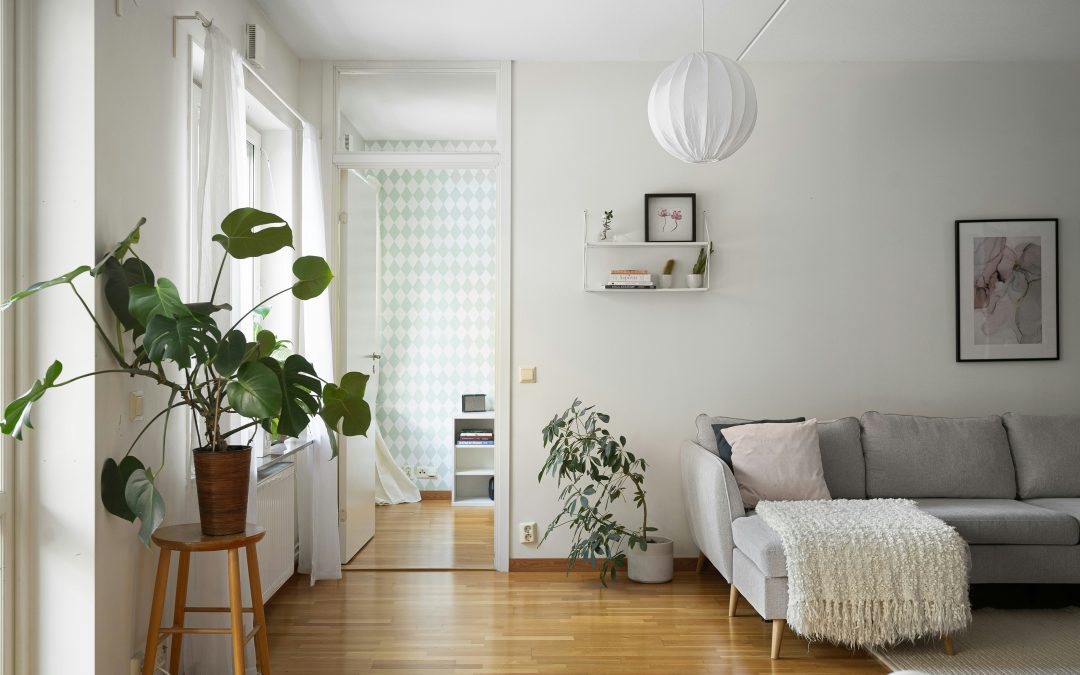
If you’ve ever walked into a room that feels peaceful, uncluttered, and effortlessly stylish, you’ve probably experienced the essence of minimalist home decor. Rooted in the idea that less is more, minimalism focuses on simplicity, clean lines, and intentional living. But what exactly is minimalist home decor, and how can you bring it into your own space without making it feel cold or empty?
In this guide, we’ll break down what is minimalist home decor, why it’s so popular, and how you can create a minimalist space that feels warm, balanced, and timeless.
Understanding Minimalist Home Decor
Minimalist home decor is a design philosophy that centers around simplicity, functionality, and clarity. Instead of filling a home with objects, minimalism emphasizes the importance of space itself — allowing each element to serve a purpose.
The style became popular in the mid-20th century, influenced by Japanese Zen principles and Scandinavian design. Both cultures value balance, calmness, and purposeful living — which are at the heart of minimalist interiors.
The main goal of minimalist decor is to strip away excess and highlight what truly matters. It’s not about having an empty house, but about surrounding yourself only with items that add value to your life and your home’s aesthetic.
Core Principles of Minimalist Design
If you’re wondering how to recognize minimalist home decor, it all comes down to a few key principles.
1. Simplicity in Form and Function
Every item in a minimalist home serves a purpose. Furniture has clean, straight lines without unnecessary decoration. A simple dining table or a low-profile sofa can make a strong visual statement because of its understated design.
2. Quality Over Quantity
Minimalism isn’t about owning less — it’s about owning better. Instead of multiple pieces that serve the same function, you choose one high-quality item that lasts longer and looks timeless.
3. Neutral Color Palette
Minimalist homes typically use neutral tones like white, beige, gray, and soft earth shades. These colors create a calm, airy feel and make spaces appear larger. Accents like black, charcoal, or muted green can add depth without overwhelming the room.
4. Decluttered and Organized Spaces
Minimalism relies heavily on keeping surfaces clear and storage smart. Every item should have a designated place. The absence of clutter helps the mind relax and allows the beauty of the architecture and materials to shine.
5. Natural Light and Open Space
Large windows, sheer curtains, and open layouts are common in minimalist homes. Natural light enhances the simplicity of the design and creates a connection to the outdoors.
Why Minimalist Home Decor Is So Popular
Minimalist home decor has become more than a design trend — it’s a lifestyle choice. Here are some reasons why so many people are embracing it:
- Less stress: A clean, uncluttered space can reduce mental clutter and promote calmness.
- Easier maintenance: Fewer items mean less to clean, organize, and dust.
- Timeless appeal: Minimalist spaces don’t rely on fast-changing trends.
- Sustainability: Choosing fewer, better-quality items supports eco-friendly living.
- More focus on experiences: Minimalism shifts focus away from possessions and toward meaningful moments.
In a world full of noise and distractions, minimalist interiors provide a refreshing sense of peace and clarity.
How to Create a Minimalist Home
Creating a minimalist home doesn’t mean you need to get rid of everything. It’s about curating and simplifying thoughtfully. Here’s how to get started.
1. Declutter Room by Room
Start small — one drawer, one shelf, or one room at a time. Ask yourself: Do I use this? Does it bring value or joy? If not, donate, recycle, or discard it.
Avoid filling empty spaces just because they look bare. In minimalist design, open space is intentional and beautiful.
2. Choose Functional Furniture
Opt for furniture that combines practicality with aesthetics. A sofa with hidden storage or a bed with drawers helps reduce visible clutter.
Select pieces with clean silhouettes and natural materials like wood, linen, and metal to achieve balance and warmth.
3. Stick to a Simple Color Palette
Keep your base colors neutral, then add one or two accent shades for personality. White walls with beige or gray furniture can feel serene, while a single black or navy accent can provide contrast and structure.
4. Embrace Texture and Natural Elements
Minimalism doesn’t have to feel cold. Layering natural materials like cotton, linen, wool, or wood adds softness and warmth. A jute rug, woven baskets, or ceramic decor pieces can add depth without creating clutter.
5. Use Lighting as Design
Lighting is a key part of minimalist decor. Choose simple pendant lights, recessed fixtures, or floor lamps that complement the space without overpowering it. Let natural light take center stage whenever possible.
6. Limit Decorative Items
Instead of filling shelves with decor, choose a few meaningful pieces — a sculpture, a framed artwork, or a plant. These focal points add personality while maintaining balance.
Remember: negative space is just as important as the objects themselves.
7. Maintain a Consistent Flow
A successful minimalist home feels cohesive. Keep the same design language throughout — consistent tones, textures, and materials tie rooms together.
Minimalist Decor Mistakes to Avoid
While minimalism sounds simple, it’s easy to overdo or misunderstand it. Here are some mistakes to avoid:
- Making the space too bare — it should feel inviting, not empty.
- Ignoring comfort in the name of style.
- Choosing low-quality furniture just because it looks simple.
- Forgetting personal touches — minimal doesn’t mean lifeless.
Minimalist design should reflect who you are, not just a look you copy.
The Emotional Impact of Minimalist Living
Beyond aesthetics, minimalism changes how you feel in your home. Studies have shown that cluttered environments can increase stress and reduce focus, while clean, open spaces promote calm and productivity.
Living in a minimalist space encourages mindfulness and appreciation for the things you truly love. It turns your home into a sanctuary — a place to recharge and feel at peace.
Final Thoughts
So, what is minimalist home decor? It’s a thoughtful approach to living — one that values simplicity, functionality, and calm over excess. It’s about creating beauty through restraint and purpose.
By decluttering, embracing neutral tones, and investing in quality over quantity, you can design a home that feels peaceful, modern, and uniquely yours. Minimalist decor isn’t about doing without — it’s about making room for what really matters.